
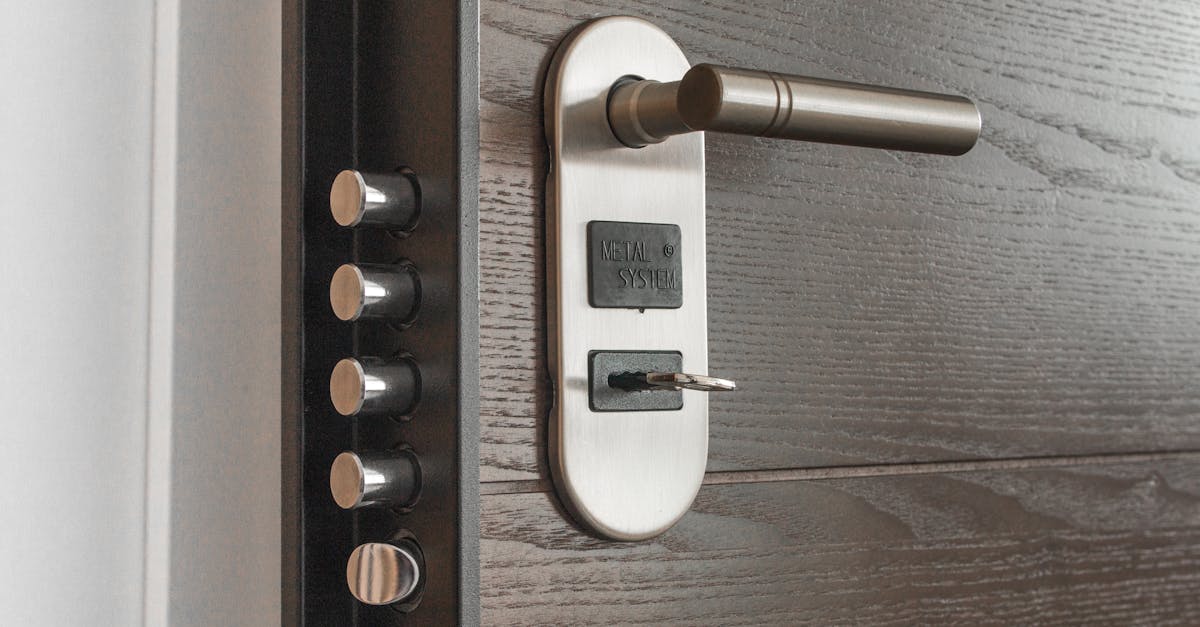
The first thing most people reach for when a lock sticks is WD-40 or 3-in-1 oil. It’ll work for about a week, then the lock will be worse than before. Oil-based lubricants attract dust and dirt inside the cylinder, where the six or seven tiny pins need to move freely. What you actually need is a dry lubricant—graphite powder or PTFE spray—that lets debris fall through instead of sticking.
I’ve fixed sticky locks in three different apartments, and the difference between using the right product and the wrong one is the difference between a $6 fix that lasts years and a $150 locksmith visit six months later.
Here’s the full process, from diagnosing whether your lock is fixable to applying the right lubricant and knowing when to stop trying.
What you’ll need
Tools:
- Flashlight or phone light
- Small brush (old toothbrush works; brass wire brush is ideal if you have one)
- Clean cloth or paper towel
Materials:
- Graphite powder or dry lubricant spray — I recommend Tri-Flow Dry Lube with PTFE ($8-$12 at hardware stores) or plain graphite powder from a locksmith supply ($5-$8). Both work; spray is cleaner, powder is cheaper.
- Isopropyl alcohol (70% or higher) or compressed air—optional, for deeper cleaning
Total cost: $5-$15, depending on what you already have
Step 1: Diagnose the problem—and your climate
Insert your key and push gently—don’t force it. Notice where it catches. If the key sticks at the same depth every time you try, that’s dirt or minor binding in the pin stack. If the key goes in smoothly but won’t turn, or if it catches at random depths, the lock mechanism itself may be damaged.
Climate matters here. If you’re in a coastal or humid area, the sticking is often oxidation-based—the pins have light corrosion from moisture exposure. You’ll feel a rough, gritty resistance rather than a smooth catch. According to Master Lock’s care and maintenance guidance, locks in high-humidity environments accumulate corrosion on internal pins, not just surface dirt.
How to tell the difference:
- Oxidation sticking (coastal/humid climates): Rough, gritty feel when turning; key catches at multiple points; lock has been exposed to salt air or high humidity
- Dirt sticking (dry climates or indoor locks): Smooth catch at a consistent depth; visible debris in keyway; lock feels gummy rather than rough
Both respond to the same basic fix—brushing and dry lubricant—but oxidation sticking may need an extra application and more aggressive key working (10-15 full in-and-out cycles instead of just a few).
The test: Can you feel resistance at a consistent point? That’s fixable. If the key won’t go in at all, or if it turns but the bolt doesn’t move, skip to “When to call a professional” below.
Step 2: Clean the keyway
Shine your light into the lock cylinder. You’ll see the keyway—the slot where the key goes—and probably some lint, dust, or grime. Use your small brush to sweep out visible debris. A few quick strokes inward (not deeper into the lock) will dislodge most surface dirt.
If you have compressed air, a short burst can help, but don’t oversaturate or blow debris into the lock. Work from the outside in, gently.
For oxidation sticking, spend an extra 30 seconds here—use the brass brush if you have one to gently scrub the keyway edges where corrosion builds up.
Step 3: Apply dry lubricant (without overdoing it)
This is where most sticky lock repair goes wrong. Here’s what to use:
Graphite powder: Puff a small amount—about a quarter teaspoon—directly into the keyway. You’ll see the fine black powder settle inside. It’s messy, but it works.
Dry spray (PTFE or silicone-based): Hold the can upright and give a short 1-2 second burst into the keyway. You’ll see a light mist enter the lock.
Don’t oversaturate. Excess dry lubricant clumps inside the cylinder and causes jamming worse than the original sticking. I learned this the hard way in my second apartment—I gave the lock a five-second spray, worked the key twice, and it locked up completely. Start with a 1-2 second spray, then wait 10 minutes before working the key. The lubricant needs time to settle onto the pins instead of pooling in the cylinder.
Why not oil? Oil and grease trap dirt. Locks operate in tight tolerances—accumulated grime is the #1 cause of sticking. Dry lubricants coat the pins and surfaces without creating a dust magnet. According to Schlage’s official lock maintenance guidance, graphite-based or dry Teflon lubricants are the recommended products for residential lock cylinders. This Old House’s door hardware guidance echoes the same recommendation—never oil-based products on lock cylinders.
Step 4: Work the key

Insert your key fully, then work it in and out—not all the way out, just 2-3 inches of travel—10 to 15 times. You’re distributing lubricant through the pin stack and helping trapped dirt work its way out.
Push gently and rotate the key with steady pressure, not jerky movements. You should feel the lock getting smoother as you work. If you feel grinding or sharp resistance, stop and move to troubleshooting.
For oxidation sticking: Work the key aggressively—15 full cycles, rotating and inserting with firm (not forcing) pressure. The light brushing from the pins moving against each other helps break down surface corrosion.
Step 5: Test and repeat if needed
Try a full turn. The lock should move smoothly with normal key pressure. If it’s better but still slightly sticky, repeat steps 3 and 4 one more time. Most locks free up within two applications of dry lubricant.
If the lock is still stuck after three attempts, the problem is likely mechanical damage, not dirt. See “When to call a professional.”
Preventive maintenance: stop sticky locks before they start
Here’s something most lock advice skips: you don’t have to wait for sticking to happen. Apply graphite powder or dry spray once a year as routine maintenance. ALOA (Associated Locksmiths of America) recommends annual lubrication for residential locks as a baseline, with more frequent applications in harsh environments.
The schedule I use:
- Standard climates (dry, indoor locks): Once a year, ideally in fall before humidity changes in winter
- Humid or coastal climates: Every three months—salt air and moisture accelerate oxidation
- High-use locks (front door, garage entry): Twice a year
Cost: $5-$8 for a small tube of graphite powder that’ll last 3-4 years of annual applications. Much cheaper than a $150 locksmith visit when a lock seizes completely.
I’ve been doing quarterly applications on my front door deadbolt (Philadelphia gets humid in summer) for three years. The lock has never stuck once. My interior bedroom locks get annual treatment and they’re smooth every time.
Why this approach works
Sticky locks fail because the pins inside the cylinder need to lift smoothly when the correct key is inserted. Each pin has a top and bottom section (called a driver pin and a key pin). When dirt, dried lubricant, or corrosion builds up, the pins can’t move freely. Dry lubricant coats the pins and cylinder surfaces without trapping new dust. Working the key in and out distributes the lubricant evenly and helps you feel the pins moving as they should.
Common mistakes to avoid

Using WD-40 or household oil You’ll free the lock temporarily, then trap dust inside. Two weeks later, it’ll be stickier than before. Stick with dry graphite or PTFE spray.
Forcing the key You risk breaking the key inside the lock or damaging the pin stack. If the key won’t turn with moderate pressure, stop and diagnose—don’t push harder.
Skipping the cleaning step If you apply lubricant over dirt, you’re just sliding graphite across grime. The lock stays gummy. Brush out debris first.
Applying too much lubricant Excess powder or spray can clump inside the cylinder and jam the pins worse than the original problem. A puff or two is enough. Wait 10 minutes before working the key so the lubricant settles instead of pooling.
Troubleshooting
Problem: The lock is smoother but still catches occasionally Cause: Dirt is still working its way out, or the lubricant hasn’t fully distributed. Fix: Repeat steps 3-4 one more time. Use the lock normally for a day or two—regular use helps distribute lubricant.
Problem: The key turns but the bolt won’t move Cause: Internal mechanism failure (not a lubrication issue). Fix: This is a replacement situation. See “When to call a professional.”
Problem: Graphite powder is messy and getting everywhere Cause: You applied too much, or you’re working the key too aggressively. Fix: Wipe the excess off the key and lock face with a cloth. Next time, use less powder or switch to a PTFE spray for cleaner application.
Problem: The lock was fine, then got sticky again a month later Cause: You may have used an oil-based product the first time, or the lock is in a high-dust area (like near a construction zone or a door that’s constantly open). In coastal areas, this can also be rapid re-oxidation. Fix: Clean and re-lubricate with graphite. If it happens again quickly, switch to quarterly preventive maintenance or consider replacing the lock if it’s old or corroded internally.
When to call a professional
Stop and call a locksmith—or plan to replace the lock yourself—if:
- The key breaks off inside the lock, or the lock won’t accept the key at all
- You’ve lubricated properly three times and the lock is still stuck
- The lock was damaged by forced entry or a break-in attempt (this is a security issue; don’t delay)
- The key turns but the bolt won’t move (internal mechanism failure)
- You’ve lost the only key (locksmith extraction is safer than forcing it)
Why not DIY these scenarios? Lock cylinders have precise internal tolerances. A broken pin or bent component can’t be repaired at home without specialized tools. Replacement locks for interior doors run $15-$40; a locksmith visit for a simple swap costs $75-$150. That’s worth avoiding a jammed door or a security risk.
Affiliate Disclosure: We earn a small commission if you buy through product links in this article. We recommend them because they work—not because of the commission.
Product recommendations
| Product | Type | Best For | Cost |
|---|---|---|---|
| Tri-Flow Dry Lube with PTFE | Spray | General-purpose, indoor/outdoor locks | $10-$12 |
| Graphite powder (locksmith grade) | Loose powder | Interior locks where mess isn’t a concern | $5-$8 |
| Blaster Dry Lube | Silicone/PTFE spray | Exterior locks in wet climates | $8-$10 |
Avoid: WD-40 (as a long-term lock fix), 3-in-1 oil, silicone grease, or anything labeled “for hinges.” These trap dirt.
Renter-friendly notes
This fix is completely reversible and won’t affect your security deposit. If you’re moving out and the lock is still sticky, re-lubricate before the final walkthrough—it’s a detail that property managers notice. I’ve done this in every apartment I’ve rented, and it’s never been flagged as unauthorized maintenance.
If you’re dealing with a sticky lock on an exterior door and your lease prohibits lock changes, this repair keeps you compliant while solving the problem. Just document what you did (and keep the receipt for the graphite) in case maintenance asks.
A sticky lock is one of those problems that sounds minor until you’re standing in the hallway with an armful of groceries, fighting your own door. Fifteen minutes and $8 of graphite powder will fix it—and if you start doing it annually as preventive maintenance, you won’t have to fix it at all.
For more door-related fixes, see How to Fix a Warped Interior Door if your door is sticking in the frame, or How to Soundproof a Bedroom Door if you’re upgrading your whole door setup.