

A working exhaust fan removes 80–100 pints of moisture per shower and prevents the $800–$3,000 mold remediation bill that comes when you skip it. I’ve installed five across rental properties — two went perfectly, one ended up venting into the attic for a week before I caught it (don’t do that), and all five are still running years later.
This is a manageable weekend project if you’re comfortable working in an attic and you hire an electrician to handle the wiring. The ductwork, mounting, and damper installation are absolutely DIY-friendly. The electrical work is not.
Affiliate disclosure: This article includes product recommendations and specific brand names. We may earn a commission if you purchase through linked product pages, but our recommendations are based on hands-on experience and builder-grade availability, not affiliate earnings.
What you’ll need
Tools:
- Drywall saw or oscillating multi-tool
- Stud finder
- Tape measure
- Screwdrivers (Phillips and flathead)
- Adjustable wrench or socket set
- Flashlight or headlamp
- Caulk gun
- Non-contact voltage tester (required for electrical safety)
Materials:
- Exhaust fan unit (hardwired, humidity-sensor model like the Panasonic FV-08WQ1, ~$110)
- 4” or 6” flexible insulated duct (R-4 minimum; Hart & Cooley is reliable at ~$0.60/ft)
- Backdraft damper (most fans include this; confirm before buying)
- Duct hangers or supports ($5–$15 per kit)
- Exterior wall cap or soffit adapter ($15–$35, matching duct diameter)
- Foil tape or ductwork mastic (never standard duct tape)
- Paintable silicone caulk
- Drywall patch kit (if needed)
Prerequisites:
- Access to attic or crawl space above the bathroom
- Local building permit (most jurisdictions require one)
- Licensed electrician available for new wiring (plan $100–$200)
Before you start
Permits: Most jurisdictions require a permit for bathroom ventilation. Call your building department or check their website. Cost is typically $0–$50, and approval takes 1–2 weeks. Skipping the permit can hurt you during a home sale or insurance claim.
Electrical safety: Moisture and electricity are a dangerous combination. If you need a new circuit, must upgrade the breaker panel, or aren’t 100% certain about wire gauge and breaker capacity on an existing circuit, hire a licensed electrician. This is non-negotiable — it prevents house fires and code violations.
Duct routing rule: The fan must duct to the exterior — never into the attic, crawl space, or soffit without a damper. I vented one into the attic by mistake, and within a week the insulation was damp and framing showed early mold. Fixing that cost two days and a lot of regret.
Step 1: Calculate CFM and buy the right fan
Measure your bathroom in feet, then multiply length × width to get square footage.
Minimum code is 1 CFM per square foot, with a floor of 50 CFM for any bathroom. An 8 ft × 10 ft full bath (80 sq ft) needs at least 80 CFM. Check your local code — some jurisdictions require more.
I usually round up to the next fan size (a 60 sq ft bathroom gets 80 CFM) because undersizing means longer runtime and slower moisture removal.
For humidity control, look for built-in humidity sensors. The Panasonic FV-08WQ1 runs automatically when it detects moisture, then shuts off 20 minutes later — a feature that’s saved me from forgetting to turn it on after showers.
Step 2: Plan your duct route
Climb into the attic with a flashlight and find the shortest, straightest path from the bathroom ceiling to an exterior wall or roof. Every 90-degree bend adds air resistance and noise.
Avoid routing through the kitchen (cooking smells attract pests) or across living spaces (condensation risk). If soffit venting is your only option, confirm the vent has a damper — but roof or wall venting is always better.
Measure total duct length. Under 25 feet is ideal. Over 35 feet, you’ll need a larger diameter or higher-CFM fan to overcome the resistance.
Step 3: Cut the ceiling opening
Use a stud finder to locate joists. Most bathroom fan housings fit between standard 16-inch on-center joists.
Mark the opening on the ceiling drywall, centered between joists. If you’re replacing an old fan, reuse that location (enlarge the hole if needed).
Cut the opening with a drywall saw or oscillating multi-tool. Wear safety glasses.
Step 4: Mount the fan housing
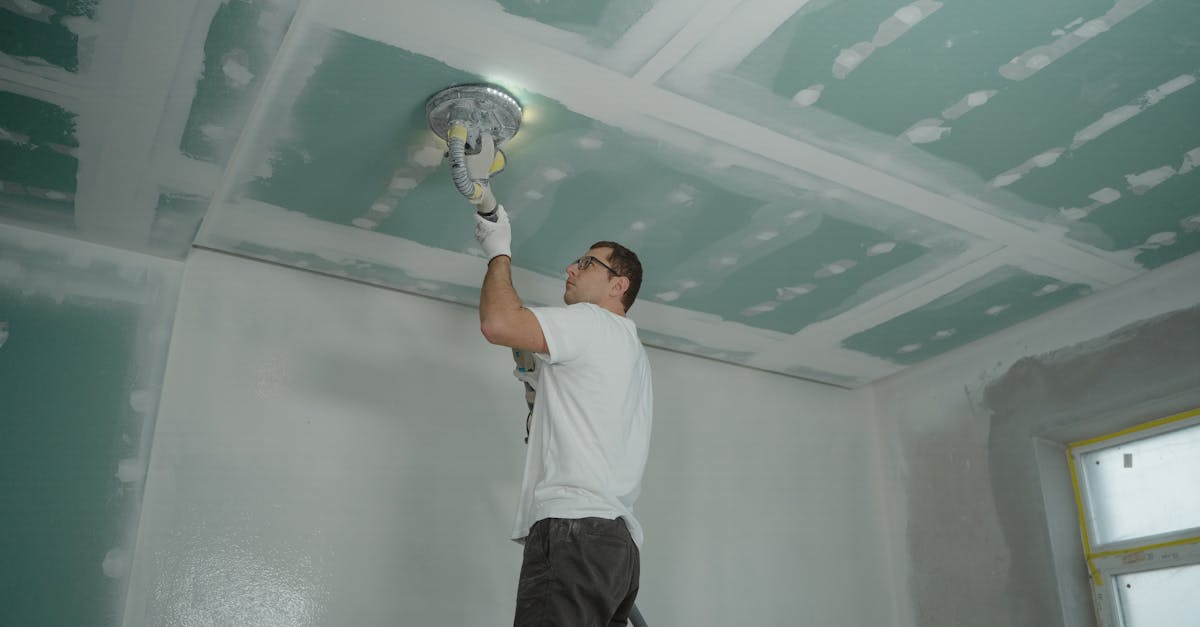
From the attic, position the fan housing in the opening flush with the ceiling drywall. Secure the mounting brackets to the joists per the manufacturer’s instructions.
Check that the housing is level and flush. An uneven fan vibrates loose over time and looks sloppy from below.
Step 5: Install the backdraft damper
The damper prevents outside air, pests, and cold drafts from backflowing into the bathroom when the fan is off.
Most fans come with an integrated damper. If yours doesn’t, buy a swing damper (Soler & Palau makes solid ones for ~$15) and attach it with screws or a hose clamp.
Confirm the damper flap moves freely.
Step 6: Run ductwork to the exterior
Connect the flexible insulated duct to the damper outlet. Use a hose clamp or zip ties, then wrap the connection with foil tape or mastic. Do not use standard duct tape — it peels off in humid conditions.
Route the duct toward the exterior wall or roof as straight as possible. Support every 3–4 feet with hangers to prevent sagging. Sagging duct traps condensation, which drips back into the fan or rots the drywall.
Use R-4 or higher insulated duct. Uninsulated duct in an attic will sweat and leak.
Step 7: Install the exterior wall cap
Drill a hole through the exterior wall or soffit using a hole saw matching your duct diameter (4” or 6”).
Drill from inside the attic outward to avoid hitting electrical lines or plumbing. If you hit resistance, stop and investigate.
Install the exterior wall cap, then caulk around it with paintable silicone to seal against weather. Secure the duct connection with a clamp or foil tape.
Step 8: Seal all duct joints

Go through every connection — damper to duct, duct to wall cap — and seal with mastic or metallic foil tape. Any gap is a leak, and leaks vent moisture into your attic instead of outside.
This is tedious but critical. A leaky duct defeats the whole point.
Step 9: Wire the fan — hire an electrician
Hire a licensed electrician. This step involves live wiring, moisture, and the potential for code violations or house fires. An electrician will run new circuits if needed, confirm wire gauge and breaker capacity, and install GFCI protection. Typical cost is $100–$200 and takes them an hour. It’s the best money you’ll spend on this project.
If you’re replacing an existing fan on an existing circuit and you have verified electrical experience, you can do this yourself with the breaker verified off using a non-contact voltage tester — but if you’re reading this article, you should hire the electrician.
Step 10: Install the grille and test
Snap the trim ring into the housing from below, then install the grille.
Turn the breaker on and run the fan for 5–10 minutes. Listen for vibration or rattling. If you hear any, check that the housing is secure and the duct isn’t sagging.
Hold your hand near the grille to confirm strong airflow. Then go outside and check the wall cap or soffit vent — you should feel air exhausting and see the damper flap open.
If airflow is weak, check for kinked duct, loose connections, or a damper stuck closed.
Verify it worked
Run a hot shower with the door closed and the fan on. The mirror should fog slower than before, and you should feel the fan pulling humid air out.
After 10 minutes, turn the fan off and go outside to confirm the damper closes. If it stays open, pests and cold drafts will get in.
Troubleshooting
Fan is loud or vibrates
The housing is loose, or the duct is sagging and pulling. Re-secure the housing to joists and add duct supports every 3 feet.
Weak airflow
Check for kinked duct, a stuck damper, or duct longer than 35 feet. You may need a higher-CFM fan or larger diameter.
Condensation dripping from the fan
Your duct isn’t insulated, or it’s venting into the attic. Confirm duct runs to the exterior and replace uninsulated duct with R-4 or higher.
Fan doesn’t turn on
Check that the breaker is on. If it is, inspect wire connections. If those are tight, the motor may need replacement — contact the manufacturer.
When to call a professional
Licensed electrician required:
- New circuit installation or breaker panel upgrades
- Running wiring through walls or conduit
- Any situation where you’re uncertain about wire gauge, breaker capacity, or GFCI requirements
- Hardwiring to an existing circuit if you lack verified electrical experience
HVAC or general contractor:
- Ductwork routing longer than 35 feet or with multiple bends through complex attic layouts
- Installing through the roof (requires flashing and waterproofing)
- Structural obstacles like bearing walls, existing HVAC ducts, or plumbing blocking your route
Stop and call someone if:
- You’re uncertain about any wiring step
- Your attic has asbestos insulation
- You find unexpected obstacles (electrical conduit, structural beams)
- The breaker panel is unlabeled or you can’t identify the bathroom circuit
FAQ
Do I need a permit?
Yes, most jurisdictions require one. Contact your building department to confirm. Permit fees are typically under $50, approval takes 1–2 weeks, and skipping it can cause problems during home sales or insurance claims.
Can I vent into the attic?
No. Attic venting traps moisture, damages insulation, causes mold, and rots framing. Vent only to an exterior wall, soffit with damper, or roof.
What CFM do I need?
Minimum is 1 CFM per square foot (absolute floor: 50 CFM). An 8 ft × 10 ft bathroom (80 sq ft) needs at least 80 CFM. Check local code for higher requirements.
Can I DIY this, or do I need an electrician?
The ductwork and mounting are straightforward DIY. The electrical wiring should go to a licensed electrician unless you’re replacing an existing fan on a verified existing circuit and you have prior electrical experience. If you’re uncertain, hire the electrician.
Installing a bathroom exhaust fan prevents mold, protects your framing, and makes showers more comfortable. The ductwork and mounting are straightforward weekend work. The wiring is where you hire out. Either way, a working fan pays for itself in avoided mold remediation costs.
For related bathroom moisture fixes, see how to remove mold from grout and how to remove mold from bathroom caulk — both problems a good exhaust fan helps prevent. If you’re deciding which fan to buy, check best bathroom exhaust fans under 150 .