

A separated seam in your vinyl flooring is one of those things that looks terrible but usually costs nothing to fix yourself. If you catch it early — before the gap gets wider than an eighth of an inch or water starts getting under the floor — you’re looking at maybe 30 minutes of work and less than $20 in materials.
This guide walks through vinyl plank seam repair for the most common scenario: a visible gap between planks that hasn’t lifted far enough to expose the subfloor. I’ve done this fix in my own house three times, twice on the same kitchen seam before I figured out the real problem was subfloor movement. We’ll also cover when DIY won’t work and you need to make a phone call instead.
What you’ll need
Tools:
- Seam roller (the weighted kind, not a paint roller — 75-100 lb pressure rating)
- Putty knife or small metal straightedge
- Cloth or paper towels
- Caulk gun (if your sealer comes in a tube)
- Heat gun (optional but helpful; any $20 model works)
Materials:
- Vinyl seam sealer (Trafficmaster LVP Seam Adhesive or Black & Decker Vinyl Floor Adhesive; about $10–15 per tube)
- Painter’s tape (optional, for masking around seam)
Prerequisites:
- Room temperature between 65–85°F and humidity around 30–50%
- Clean, dry seam with no visible moisture or mold underneath
- Gap narrower than 1/8 inch (if wider, skip to “When to call a professional”)
Before you start
Check the subfloor before you commit to this repair. Press down on both sides of the seam with your full weight. If the floor feels soft, spongy, or moves more than a millimeter, you have a subfloor problem that no amount of seam sealer will fix. Same if the seam is in a chronically wet area like a bathroom where water pools — if moisture is getting under the vinyl regularly, the sealer will fail and you’ll be back here in three weeks.
Test the seam by gently lifting the edge with a putty knife. If it cracks or refuses to budge at all, that indicates deeper adhesive failure or subfloor movement. This repair is for seams that open slightly but are still flexible.
No foot traffic on the seam for 24 hours after repair. Plan accordingly if this is a high-traffic area.
Step 1: Clean out the seam completely
Use your putty knife to gently lift the vinyl edge just enough to see under it. Wipe out any dust, pet hair, debris, or old adhesive residue with a dry cloth. If the seam is dirty, the sealer won’t bond — this is the step most people skip and it’s why their repair fails in two weeks.
If there’s sticky residue from old adhesive, wipe it with a damp (not wet) cloth and let it dry completely before moving on.
Step 2: Apply seam sealer under the vinyl edge
Load your vinyl seam sealer into the caulk gun if it’s tube-style. Apply a thin bead of sealer under the lifted vinyl edge — aim for about toothpaste width. Go slowly. You want just enough to coat the underside without squeezing excess onto the visible floor.
If you’re nervous about overapplying, start with less. You can always add more if the seam doesn’t close, but cleaning up excess sealer before it dries is annoying.
Step 3: Warm the seam (optional but recommended)
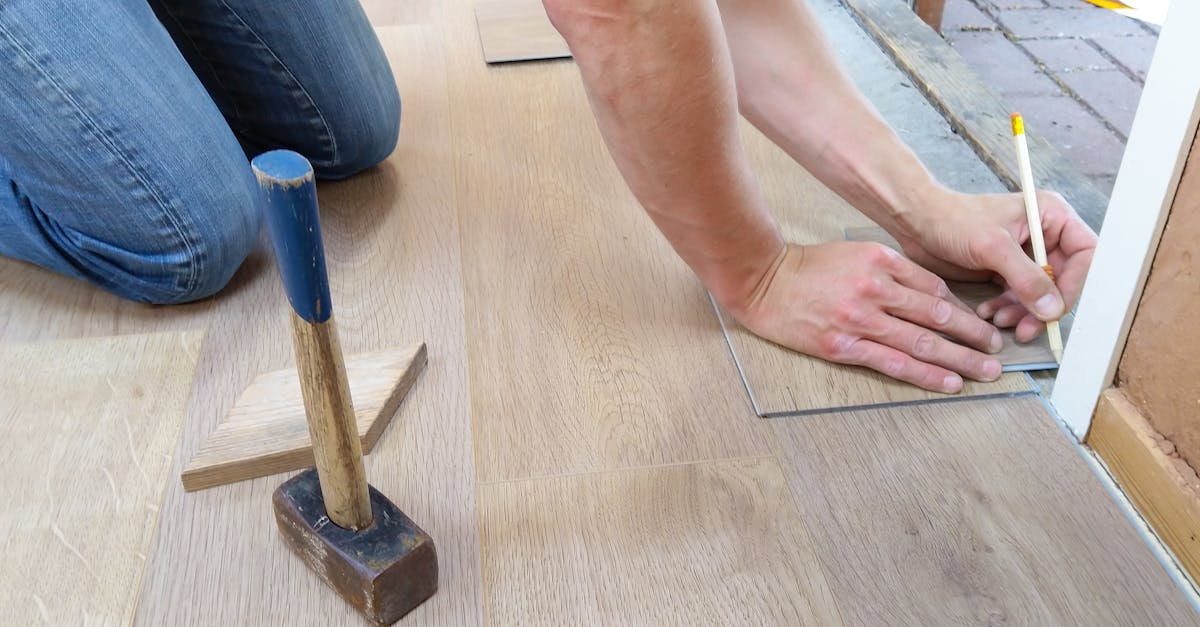
If you have a heat gun, pass it over the seam from about 4–6 inches away for 30–60 seconds. Keep the gun moving — don’t aim it at one spot. Vinyl softens around 170°F and warps above 200°F, so you’re just warming it enough to make the plank more flexible and help the adhesive flow.
I didn’t have a heat gun the first time I did this and the seam still closed fine. But the second time I borrowed one and the seam closed noticeably tighter.
Step 4: Press and roll the seam
Press the vinyl edge down firmly with your hand for about 30 seconds, working along the length of the seam. Then grab your seam roller and roll over the seam 5–6 times in one direction, pressing down hard. The roller needs real pressure to activate the adhesive contact underneath — this isn’t like rolling paint.
If you see a tiny bit of sealer squeeze out at the edge, that’s fine. Wipe it immediately with a damp cloth before it dries.
Step 5: Clean up excess sealer
Check the surface for any sealer that squeezed out. Wipe it with a damp cloth right away — it won’t stain the vinyl, but it will stay sticky and collect dust if you leave it. Once it dries, it’s much harder to remove.
Step 6: Let it cure

Rope off the area or close the room for 24 hours. Some sealers claim faster cure times, but I don’t trust them — I’ve had seams reopen when someone walked on them after 12 hours even when the label said 6. Leave it alone for a full day.
Verify it worked
After 24 hours, run your hand along the seam. It should feel smooth to the touch with no lip or edge you can catch your fingernail on. The seam should be closed to a hairline or barely visible gap.
Walk on it with socked feet and listen for any clicking or movement. If the seam moves, either the adhesive didn’t cure or there’s subfloor movement underneath — in which case this fix won’t hold long-term.
Troubleshooting
Problem: Seam reopened within a week or two
The adhesive bonded fine but the root cause is still active — usually temperature swings, humidity changes, or subfloor movement. If your house swings more than 20°F between day and night or your basement humidity isn’t controlled, vinyl will keep expanding and contracting. Address the environment or accept that you’ll be resealing this seam occasionally.
Problem: Sealer squeezed up onto the vinyl surface and dried
Use a plastic scraper to lift the dried sealer gently. Don’t use metal — it can scratch the vinyl wear layer. If the sealer is stubborn, warm it slightly with a hair dryer (not a heat gun) to soften it, then scrape.
Problem: Seam won’t close even with pressure
Gap is too wide for seam sealer to bridge, or the vinyl plank has warped from moisture exposure. This is a pro job — see “When to call a professional.”
Problem: Seam feels sticky after 24 hours
Sealer hasn’t cured yet. Most likely causes: room was too cold (below 65°F), sealer is past its shelf life, or you applied too thick a bead. Give it another 24 hours. If still sticky after 48 hours, the sealer is bad — you’ll need to clean it out and start over with fresh product.
When to call a professional
Call a pro if:
-
The seam gap is wider than 1/8 inch or won’t close when you press it by hand. Sealer bridges thin gaps but won’t pull separated planks back together. Pros use heat-welding equipment (400°F+ applicators) that actually melts and fuses the vinyl.
-
The lifted vinyl flooring is bubbling or you can see the subfloor underneath. That’s adhesive failure across a larger area, not just a seam issue. Professional re-glue or replacement needed.
-
The seam is in a bathroom, kitchen, or other wet area and keeps lifting repeatedly. You need a vapor barrier solution and commercial-grade adhesive — DIY sealer is cosmetic and won’t hold under moisture stress.
-
The subfloor feels soft, spongy, or moves when you press on it. The floor itself is failing. Fix the subfloor first or the seam repair is pointless.
-
Multiple seams are separating across the room. That’s an installation problem (inadequate acclimation, wrong adhesive, subfloor moisture) or structural movement. Not a seam-by-seam fix — needs professional assessment.
FAQ
Why are my vinyl flooring seams separating?
Most seam separation comes from temperature and humidity swings. Vinyl expands and contracts about 0.2–0.5% across a 20°F temperature change. If the planks weren’t acclimated to the room for 48–72 hours before installation, or if your HVAC swings are extreme, the seams will work themselves open. Subfloor moisture and movement are the other common causes.
Can I glue vinyl plank seams back together?
Yes, with vinyl-specific seam sealer — not regular wood glue or construction adhesive. The sealer is formulated to stay slightly flexible so it moves with the vinyl as temperature changes. Regular glue is too rigid and will crack or pop the seam back open.
Is seam separation covered by warranty?
Usually not. Most vinyl flooring warranties cover manufacturing defects in the vinyl itself, not installation issues or environmental stress like humidity swings. If the seams separated within a year or two of professional installation, contact the installer about their workmanship warranty — that’s your better bet.
How long does vinyl seam sealer last?
In stable conditions (controlled temperature and humidity, no subfloor movement), seam sealer can last years. In my house, the kitchen seam I sealed three years ago is still solid. The mudroom seam I sealed twice both failed within six months — turned out the subfloor was flexing from settlement. The sealer only lasts as long as the conditions that caused the separation stay fixed.
Can you use caulk on vinyl floor seams?
Don’t. Caulk is a sealant, not an adhesive — it fills gaps but doesn’t bond surfaces together. You need actual adhesive to hold the seam closed under foot traffic. Clear caulk might make the gap less visible for a week but it won’t fix the seam.
If you’ve got other vinyl flooring issues — gaps at the baseboard, planks that are buckling, or entire sections that need replacement — check out gap between vinyl flooring and baseboard and how to replace vinyl flooring section for walkthroughs. And if you’re dealing with a wet subfloor situation before you attempt this repair, how to test subfloor moisture covers the calcium chloride test that tells you whether your floor is dry enough for adhesive to hold.