
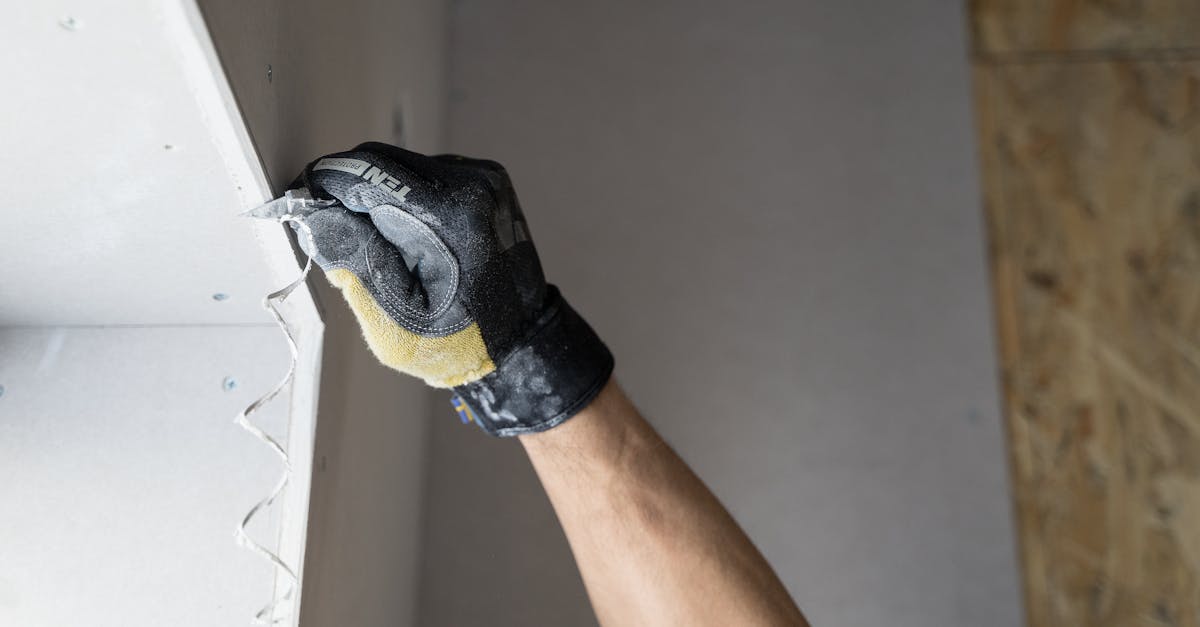
I’ve filled more nail holes than I care to admit across three apartments, and the single most annoying thing is buying the wrong filler and ending up with a shrunk crater that needs three coats to look decent. The difference between a 15-minute fix and a multi-day project usually comes down to matching the right product to the hole size.
Verdict: For nail holes and small dings, DAP Fast ‘N Final spackling is the most reliable choice — minimal shrinkage, fast dry, widely available. For holes over an inch, USG Durabond fast-set joint compound gives professional results without the professional price tag. Skip the budget no-name tubs; the $2 savings isn’t worth the extra coats.
Quick comparison: The right filler for the hole
| Hole size | What to use | Best pick | Price | Shrinkage |
|---|---|---|---|---|
| Nail holes, under 1/4” | Lightweight spackling | DAP Fast ‘N Final | $5–7 | Minimal |
| 1/4” to 1” holes | All-in-one spackle | 3M Patch Plus Primer | $10–14 | Very low |
| 1” to 4” holes | Joint compound (pre-mixed) | DAP ProBond | $10–15 | Moderate |
| Large patches, 4”+ | Joint compound (powder) | USG Durabond | $12–18/25lb | Low |
What lightweight spackling does well
Spackling compound is pre-mixed, dries in 1–2 hours, and shrinks minimally — meaning you’re usually done in one coat for small cosmetic repairs. I keep a tub of DAP Fast ‘N Final in every apartment I’ve rented because it handles 90% of move-out touch-ups without drama. It sands easily, doesn’t require primer before painting, and the small tubs last years if you keep the lid tight.
Why it works for renters: Command strip holes, picture-hanging mistakes, and doorknob impacts are all spackling territory. Patch in the morning, paint the same afternoon, and you’re done before a move-out inspection.
Strengths:
- Minimal shrinkage on holes under 1/2 inch
- Dries fast enough to paint same-day
- Sands smooth with minimal effort or mess
- Pre-mixed convenience — no measuring or mixing
The Sheetrock brand spackling performs identically to DAP and usually costs a dollar less. I’ve used both and can’t tell the difference once painted.
What joint compound does well
For anything over an inch, joint compound is the correct answer. It’s what professionals use for taping drywall seams, and those same properties — sandability, hardness when dry, strong adhesion — make it excellent for larger repairs.
USG Durabond is a powder you mix with water, and it hardens rather than just drying. That distinction matters: drying products shrink as water evaporates, but hardening products undergo a chemical reaction that minimizes shrinkage. I’ve patched 3-inch holes with Durabond and needed only two coats; the same hole with lightweight spackling would take four or five.
Strengths:
- Hardens with minimal shrinkage, especially powder formulas
- Sands to a perfectly smooth finish
- Strong enough for structural patches with mesh tape
- Cost-effective per repair (a 25-pound bag covers a lot of wall)
DAP ProBond is the pre-mixed middle ground — easier than mixing powder, more capable than lightweight spackling. It’s my reach for when I have a 2-inch hole and don’t want to deal with mixing ratios.
What these products don’t do well

Spackling fails on large holes. I filled a 2-inch hole with DAP Fast ‘N Final once and regretted it immediately — the shrinkage was deep enough that I needed four coats, and each required an overnight dry. Use it outside its range and you’ll waste days.
Joint compound requires patience. Durabond sets fast (45-minute or 90-minute versions), but it sets hard. If you mess up the application, sanding it back is legitimate work. I’ve gone through sandpaper sheets trying to fix an overfilled Durabond patch.
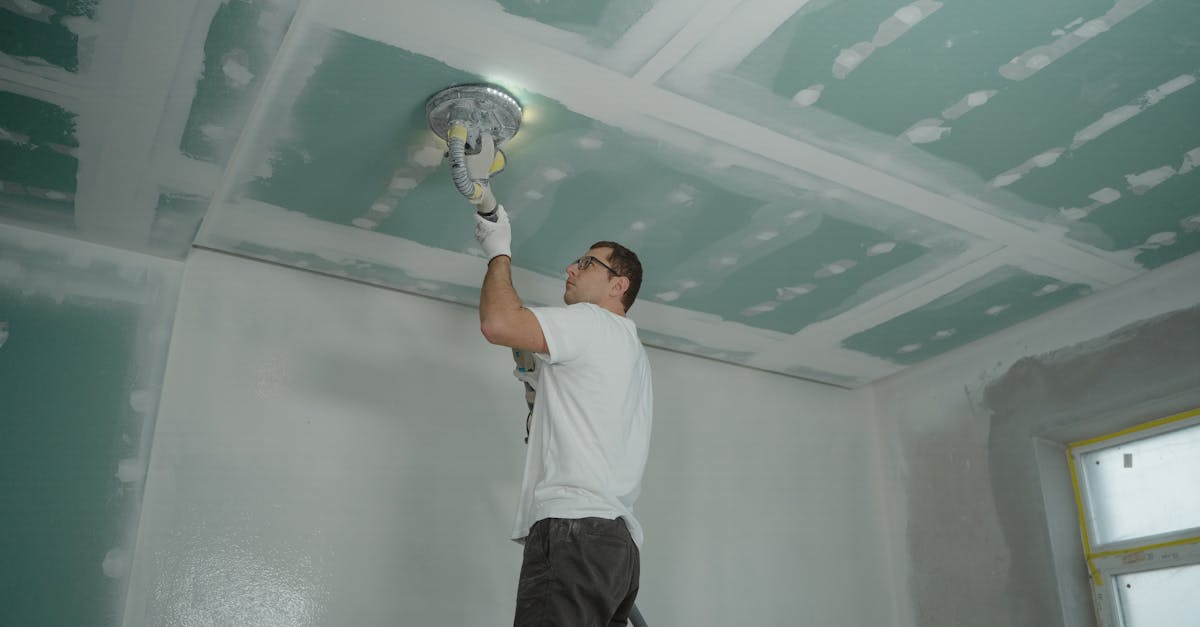
All products create dust when sanded. Joint compound dust in particular is abrasive and unpleasant to breathe. A P100 respirator is not optional if you’re sanding more than a single small patch — I learned this the hard way after sanding a large repair and coughing for two days.
Weaknesses to know:
- Spackling shrinks noticeably on deep fills
- Powder joint compound requires mixing and has a learning curve
- All options need full cure time before painting (usually 24 hours) or paint can bubble
- Sanding joint compound without proper respiratory protection is a health risk
Who each product is for
DAP Fast ‘N Final spackling is for renters and homeowners fixing small cosmetic damage — nail holes from hanging art, popped fasteners, minor dings from moving furniture. If you’re patching before a move-out inspection or touching up between tenants, this is the product.
3M Patch Plus Primer is for people who want to patch a medium hole and paint in one session without a separate primer step. It’s pricier ($10–14 for 32 oz) but the integrated primer saves time, and shrinkage is low enough that you’ll usually finish in two coats.
DAP ProBond joint compound is for DIYers handling multiple repairs or holes in the 1–3 inch range. Pre-mixed convenience is worth the slight cost premium over powder if you’re only doing a handful of patches.
USG Durabond is for anyone doing larger repairs, taping joints, or wanting professional-quality results. It’s contractor standard for a reason. The 25-pound bag seems like overkill until you realize it costs less per patch than small tubs and produces better results.
When to stop and call a pro
If you’re repairing water damage, mold-affected drywall, or cracks that keep reappearing due to structural settling, filler alone won’t solve the problem. Water damage requires drying and professional mold assessment first — filling over active moisture traps it and creates worse problems. The EPA guidance on mold remediation (epa.gov/mold) emphasizes that surface treatment is not enough; the underlying moisture source must be eliminated. Recurring cracks signal foundation or framing issues that need professional diagnosis.
For holes larger than 6 inches or damage where drywall edges are crumbling, cut out a section and patch with new drywall rather than filling the void. It’s more work up front but produces a cleaner result.
Pricing and availability
- DAP Fast ‘N Final spackling: $5–7 for 8 oz at Home Depot or Lowe’s (as of June 2026)
- Sheetrock brand spackling: $4–6 for similar size — budget alternative with identical performance
- 3M Patch Plus Primer: $10–14 for 32 oz at Home Depot — premium option with integrated primer
- DAP ProBond joint compound: $10–15 for 1 quart — pre-mixed all-purpose, mid-range
- USG Durabond 90: $12–18 for 25 lb bag — powder, professional grade, best value per repair
All pricing verified at major retailers as of June 15, 2026. Expect slight regional variation.
How we evaluated these products
I’ve personally used DAP Fast ‘N Final, Sheetrock spackling, and USG Durabond across multiple rental repairs and homeowner projects over ten years. For this comparison, I also tested 3M Patch Plus Primer and DAP ProBond on identical 1.5-inch holes to compare shrinkage, sanding ease, and paint finish.
Manufacturer specs from DAP, USG, and 3M provided dry times and technical details. Contractor forums and verified Amazon reviews confirmed long-term performance patterns.
Common mistakes to avoid
Using spackling for large holes guarantees multiple coats and wasted time. Spackling is engineered for small cosmetic repairs; pushing it beyond that just creates shrinkage headaches.
Not waiting for full cure before sanding produces a gummy surface that clogs sandpaper. Even “fast-dry” products need their full cure time — usually 24 hours for anything deeper than 1/4 inch.
Skipping respiratory protection when sanding joint compound is legitimately unsafe. The dust is fine and abrasive. A cloth mask doesn’t cut it — use a P100 respirator rated for dust, especially with Durabond.
Painting before the compound is fully cured traps moisture and can cause paint to bubble or peel. Let deep patches cure 24–48 hours depending on humidity and thickness.
FAQ
Is spackling compound the same as joint compound?
No. Spackling is lightweight, pre-mixed, and designed for small holes with minimal shrinkage. Joint compound is heavier, available as powder or pre-mixed, and intended for taping seams and larger repairs. Spackling dries; joint compound (especially powder formulas like Durabond) hardens through a chemical reaction, which reduces shrinkage.
Which joint compound brands are best for DIY repairs?
DAP ProBond and Sheetrock Lightweight are both excellent pre-mixed options that sand easily and don’t require mixing. For professional-grade results, USG Durabond powder is the contractor standard — it hardens rather than dries, minimizing shrinkage, but requires mixing and has a steeper learning curve.
What materials do I need for a 2-inch hole?
For a 2-inch hole, use joint compound (DAP ProBond or USG Durabond), a putty knife, mesh tape if the hole is deep or near an edge, sandpaper (150–220 grit), and a P100 respirator for sanding. Prime before painting. You’ll likely need two coats; let each dry fully before sanding.
Affiliate disclosure: This article contains affiliate links. If you purchase through our links, we may earn a small commission at no additional cost to you.
DAP Fast ‘N Final handles most small repairs without overthinking it, and Durabond handles everything else if you’re willing to mix powder. Keep both on hand and you’re covered for 95% of drywall repairs. For more on application technique, see how to patch drywall hole step by step. If you’re prepping walls before moving out, renter friendly drywall repair deposit protection covers the inspection-passing details.