

The last time I moved, I peeled wallpaper off three different walls and held my breath while inspecting for residue. Zero damage, deposit back in full — but only because I’d tested the brand on a closet wall first. Not all peel-and-stick wallpaper is created equal when your security deposit is on the line.
Most comparison guides focus on aesthetics and price. This one focuses on what actually matters to renters: which brands stick to textured apartment walls, remove cleanly after 18+ months, and won’t leave you negotiating with your landlord over phantom “damage.” I’ve installed and removed enough rolls to have strong opinions about Command-strip-level adhesive versus the stuff that takes paint with it.
1. Tempaper — Best Overall for Deposit Protection
Tempaper explicitly markets to renters, and their testing backs it up. They’ve put their removable adhesive through 18-month trials on standard apartment drywall — flat paint, eggshell, even lightly textured surfaces — and publish results showing minimal to no residue. Price runs $8–$16 per square foot depending on pattern complexity.
The adhesive is repositionable during application, so you’re not locked into placement the second it touches the wall. I’ve adjusted seams by up to two inches without losing stick. Removal after two years left zero marks on flat paint; on eggshell in a different space, there was a faint outline that wiped clean with a damp cloth.
Their design library is large enough to avoid the “everyone has this pattern” problem. Artist collaborations mean actual design work, not stock florals from 2008. Rolls are pre-measured and wide enough that most walls need only 2–3 strips.
Best for: Renters planning to stay 1–3 years who want deposit insurance and solid design options.
2. Spoonflower Peel-and-Stick — Best for Custom Designs
If you want a pattern that doesn’t exist anywhere else, Spoonflower is the only real option. Upload your own design or choose from thousands of independent artists. Price reflects this: $15–$25+ per square foot makes it the most expensive option here, but uniqueness has value if you care about it.
Third-party testing (The Spruce, CNET Home) shows strong performance on smooth walls. On textured drywall, adhesion holds but removal left faint outlines in testing — not damage, but visible enough that you’d want to spot-test first. The adhesive is strong enough that Spoonflower wallpaper survives humid summers without peeling at the seams.
Application requires precision because rolls are smaller and custom-cut. Budget 3–4 hours for a standard bedroom wall working alone. The trade-off is worth it if you prioritize unique design and have smooth walls.
Best for: Renters with smooth walls who prioritize custom design over budget.
3. Walls Need Love — Best Mid-Range Value
Walls Need Love hits the sweet spot between price ($12–$18 per roll) and honest deposit-protection marketing. They explicitly test texture compatibility — transparent about what works and what doesn’t, rather than claiming miracles. Non-toxic inks matter if you’re in a small apartment where VOCs linger.
Their design library trends younger and brighter than Tempaper’s, which works if you want Instagram-ready maximalism. Rolls are generous (28–30 square feet), and the adhesive is forgiving during application. I’ve repositioned strips multiple times without losing stick.
Durability claims run “up to 2 years,” which matches real-world experience in normal conditions. Direct sunlight or high-traffic areas can reduce that to 18 months. Removal on flat and eggshell paint has been clean in my experience; textured walls show more wear, but that’s consistent across all brands.
Social proof is strong — heavy Instagram and TikTok presence from actual apartment renters, not just influencer partnerships. That credibility matters when you’re trusting a brand with your security deposit.
Best for: Budget-conscious renters who want aesthetics and deposit safety without premium pricing.
4. Chasing Paper — Best for Repositionable Application

Chasing Paper’s proprietary adhesive stays repositionable throughout the entire application process, making it the most forgiving if you’re a perfectionist or working alone. Price runs $18–$30 per roll depending on pattern and material finish. They offer eco-friendly paper options alongside standard vinyl.
Third-party testing shows minimal residue after 18 months on smooth drywall. Texture compatibility is mixed — adhesion weakens on heavily textured walls, but performance on lightly textured or orange-peel finish is acceptable. Durability in high-traffic areas is strong; user reviews confirm their 2+ year claim.
Design library is curated and trend-forward. Seasonal rotations reduce the risk of seeing your wallpaper in every rental listing photo. Rolls are smaller than Tempaper or Walls Need Love, so budget for more seams if covering large areas.
Application time runs 2–4 hours for a standard room because the repositionable adhesive invites perfectionism. If that’s your personality anyway, lean into it — this brand won’t punish you for adjusting three times.
Best for: Detail-oriented renters with smooth or lightly textured walls who want eco-friendly options.
5. Amazon Basics & Budget Brands — Best for Temporary Spaces Only
Budget peel-and-stick from Amazon or Walmart (Roommates RMK line) runs $4–$12 per roll. The trade-off is adhesive quality variance and higher residue risk. User reviews split between “worked fine for a year” and “took paint off when I removed it after six months.”
If you’re in a college dorm, subletting for a semester, or decorating a space you’re leaving in under a year, these work. For any situation where your security deposit matters, test extensively first — and even then, consider whether $50 saved is worth risking $300+ in deposit deductions.
Texture compatibility is poor across budget brands. Adhesive degrades faster in humid or high-temperature conditions. Design options trend toward generic florals or geometric patterns you’ll see in every budget apartment.
I used Roommates RMK for a closet interior and it held for 10 months before edges started lifting. Removal left sticky residue requiring Goo Gone and patience. That’s acceptable for a closet; it’s not acceptable for your living room.
Best for: Temporary housing, dorms, or spaces where deposit recovery isn’t a concern.
How We Ranked These
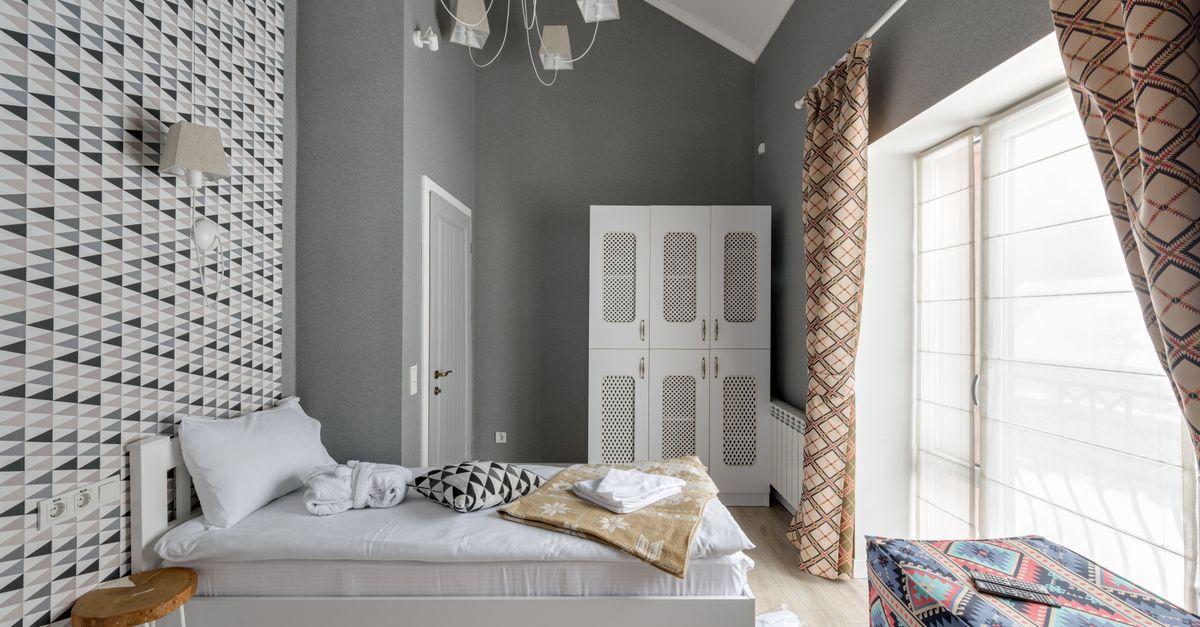
We prioritized deposit protection and real-world removability over aesthetics alone. Weights: third-party testing (The Spruce, CNET Home), crowd-sourced renter experiences from Reddit and apartment-focused social media, and honest texture-compatibility claims from brand documentation. Price matters, but a $12/roll brand that costs you $300 in deposit deductions isn’t actually cheap. Brands that test removability and publish results ranked higher than brands making vague “damage-free” claims.
What to Know Before You Buy
Test before committing. Buy one roll and apply it to a closet wall or out-of-sight corner. Let it sit for two weeks minimum — ideally a month — then remove and check for residue or paint damage. Your walls aren’t testing lab walls. Flat paint, texture, primer age, and humidity all affect performance.
Textured walls are a problem for every brand. If your apartment has orange-peel or popcorn texture, peel-and-stick adhesion drops significantly. Tempaper and Walls Need Love handle light texture better, but none are miracle products on heavy texture. Consider whether sanding smooth or applying primer is worth it.
Plan removal timing. Adhesive strength increases over time, and residue risk with it. Most brands perform best in the 18–30 month window. If you’re planning to stay 3+ years, factor in the possibility of residue and whether you’re comfortable negotiating that with your landlord.
FAQ
Is peel and stick wallpaper truly removable without damaging walls?
Yes, if you choose brands tested for removability (Tempaper, Spoonflower, Chasing Paper) and your walls are smooth with sealed paint. Textured walls, unpainted primer, or old paint increase damage risk. Always test a small section first.
Can you use peel and stick wallpaper on textured walls?
It depends on texture severity. Light orange-peel texture works with Tempaper and Walls Need Love, though adhesion is weaker. Heavy popcorn or knockdown texture won’t hold reliably. Consider sanding or priming smooth first.
How long does peel and stick wallpaper last?
Premium brands last 2–3 years in normal conditions. Budget brands degrade after 6–12 months. High humidity, direct sunlight, and textured walls reduce lifespan across all brands.
Do I need to prime walls before applying peel and stick wallpaper?
You need sealed walls — at least one coat of flat or eggshell paint, or primer on bare drywall. Unpainted primer or unfinished drywall will damage when you remove the wallpaper. Let new paint cure 24 hours before applying.
The safest move is testing one roll in a low-visibility area before committing to your entire bedroom. A $15 trial beats a $300 deposit argument. Once you’ve picked your wallpaper, check out our guide to renter-friendly home fixes for other deposit-safe ways to make your rental feel permanent.