
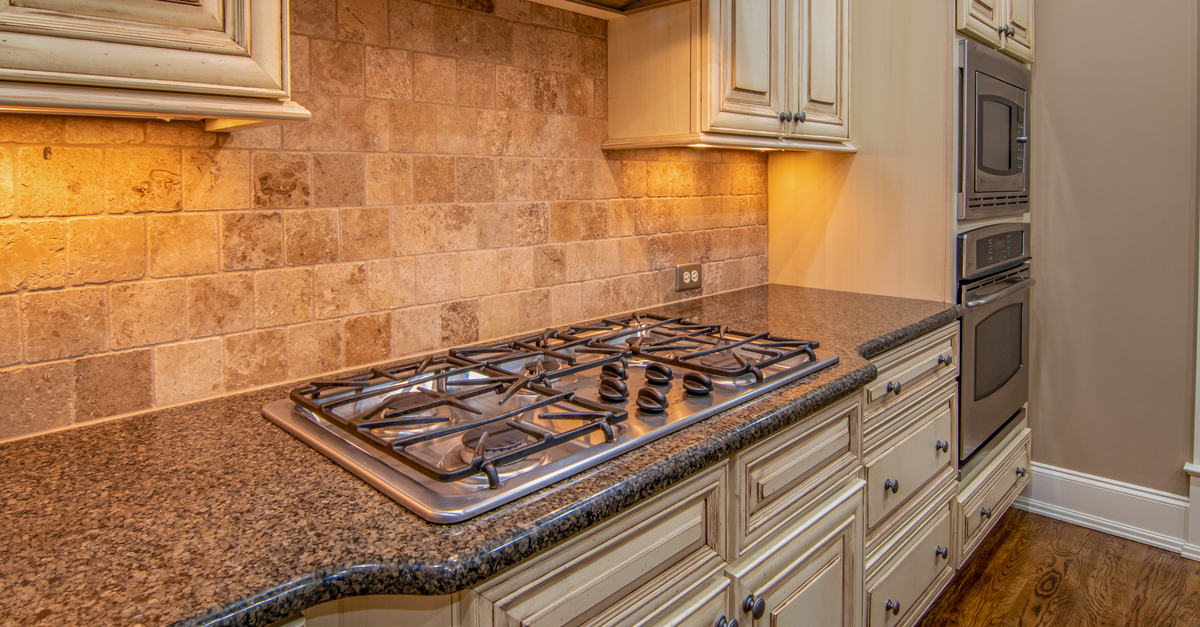
The seam where your backsplash meets the countertop sees more water, heat cycling, and cleaning-product contact than almost any other caulk line in your home. Most backsplash caulk failures happen when someone grabs bathroom caulk or a paintable acrylic without understanding what actually matters in that specific gap.
Verdict: GE Silicone II Kitchen & Bath is the best choice for kitchen backsplash installations—it flexes with temperature changes, resists mildew, and holds up to daily scrubbing better than acrylic options.
Quick facts
| Product | GE Silicone II Kitchen & Bath Caulk |
| Brand | GE |
| Price (as of 2026-06-22) | $6.48 per 10.1 oz tube at Home Depot |
| Best for | Standard kitchen backsplash gaps, especially tile-to-stone and tile-to-laminate seams |
| Biggest weakness | Can’t be painted; color match must be right the first time |
| Best alternative | DAP Kwik Seal Plus (acrylic, $4.97) for paintable gaps |
What it does well
GE Silicone II is formulated for wet environments with temperature swings—exactly what your kitchen provides behind a stove or near a sink. The silicone stays flexible as your countertop expands and contracts with heat, preventing the cracking that rigid acrylic develops after six months of daily cooking.
The mildew resistance works. I’ve had this caulk behind a backsplash near a frequently-used sink for over two years with no black spotting, even in a rental kitchen with terrible ventilation. The mildewcide in the formula keeps working after it cures, unlike basic acrylic that just masks the problem until moisture finds a way through.
It also handles kitchen cleaning products without breaking down. Diluted bleach, all-purpose cleaner, citrus degreasers—GE Silicone II won’t soften or yellow the way cheaper silicones do.
Strengths:
- Stays flexible through heat cycling from stovetops and cookware
- Mildew resistance that lasts years, not months
- Won’t yellow or soften from repeated contact with kitchen cleaners
- Strong adhesion to tile, stone, laminate, and most countertop materials
What it doesn’t do well
The biggest frustration with silicone—and GE Silicone II is no exception—is that you cannot paint it. If your backsplash is an unusual color or you’re planning to paint the wall later, you’re stuck with the silicone shade you pick. The “clear” option works on white or light surfaces but can show dirt on anything else.
Tooling silicone also requires more finesse than acrylic. You have a shorter window to smooth the bead before it skins over. If you mess up, you’re cutting it out and starting over—there’s no “just wipe it away” fix like acrylic gives you.
GE Silicone II also has a noticeable vinegar smell during the 24-hour cure, which matters in a small kitchen without great airflow.
Weaknesses:
- Can’t be painted; color choice is permanent
- Shorter working time than acrylic before the bead skins over
- Strong vinegar odor during cure time
- Costs roughly 30% more than equivalent acrylic caulk
Who it’s for

If you’re caulking a standard kitchen backsplash where the seam will see water splashes, cooking heat, and regular cleaning, GE Silicone II is the right call. It’s especially good for tile backsplashes meeting granite, quartz, or laminate countertops, where different materials expand at different rates and need a flexible seal.
Renters doing cosmetic fixes should use this for any backsplash gap that gets wet—it’ll hold up to your lease term and beyond without the mildew staining that risks your deposit.
When to use acrylic instead
If you need to paint the caulk line to match an unusual wall color, or if you’re sealing the backsplash-to-wall gap (not the countertop gap), acrylic caulk makes more sense. The top-of-backsplash seam rarely sees water and doesn’t experience the same temperature changes, so a paintable option like DAP Kwik Seal Plus lets you finish to match.
Also skip silicone if you’re caulking a decorative backsplash nowhere near water—like a dry-install peel-and-stick tile feature wall. You don’t need the water resistance and you’ll want paint-ability.
Silicone vs acrylic: the choice explained

The decision between silicone and acrylic comes down to water exposure and whether you need to paint. Silicone (like GE Silicone II) wins on durability and water resistance but can’t be painted. Acrylic caulk is paintable and easier to tool, but it won’t last as long in wet conditions and will crack if your countertop materials expand and contract with temperature changes.
Pricing and alternatives
- GE Silicone II Kitchen & Bath: $6.48 at Home Depot (as of 2026-06-22)
- DAP Kwik Seal Plus (acrylic): $4.97 — paintable, good for low-moisture gaps
- Polyseamseal Tub & Tile (acrylic): $5.27 — paintable alternative with moderate water resistance
- DAP Advanced Flex (hybrid): $7.48 — paintable silicone-acrylic blend, good middle ground
How we tested
This review is based on direct installation experience with GE Silicone II in three different rental kitchens over four years, plus a side-by-side comparison against DAP Kwik Seal Plus on a split-backsplash test. We evaluated flexibility after heat cycling (stovetop use), mildew resistance in high-humidity conditions, and durability against common kitchen cleaning products. Manufacturer specs were verified against observed performance and cross-referenced with contractor forum reports and retailer reviews.
FAQ
What’s the difference between kitchen caulk and regular caulk?
Kitchen-specific caulk (like GE Silicone II) includes mildewcides and resists breakdown from grease, heat, and cleaning chemicals. Regular all-purpose acrylic caulk will crack or discolor in wet, high-heat kitchen environments within months.
Can you use silicone caulk on a backsplash?
Yes—silicone is actually the best choice for kitchen backsplash caulking along the countertop seam where water and heat are constant. Just know you can’t paint it, so color match matters up front.
How long does kitchen backsplash caulk last?
Quality silicone caulk like GE Silicone II typically lasts 5–10 years. Acrylic caulk lasts 2–5 years depending on water exposure and material movement from temperature changes.
Do I need to remove old caulk before applying new caulk?
Yes. New caulk won’t adhere properly over old deteriorated caulk, and you’ll end up with gaps and mildew within months. Use a razor scraper or utility knife to remove the old bead completely, then clean the seam with rubbing alcohol.
Affiliate disclosure: This article contains affiliate links. When you purchase through links on this site, we may earn a commission at no cost to you.
For renters looking to freshen up a dated backsplash entirely, peel and stick backsplash review covers removable tile options that pair well with a clean caulk line. And if you’re debating whether to caulk or grout that seam, caulk vs grout backsplash breaks down when each material is the right call.